Content Spotlight
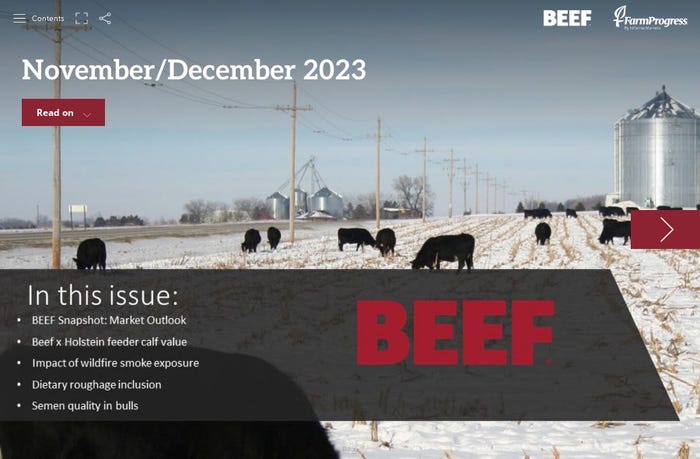
November/December edition of BEEF now available
The November/December edition of BEEF has published and is available for your viewing.
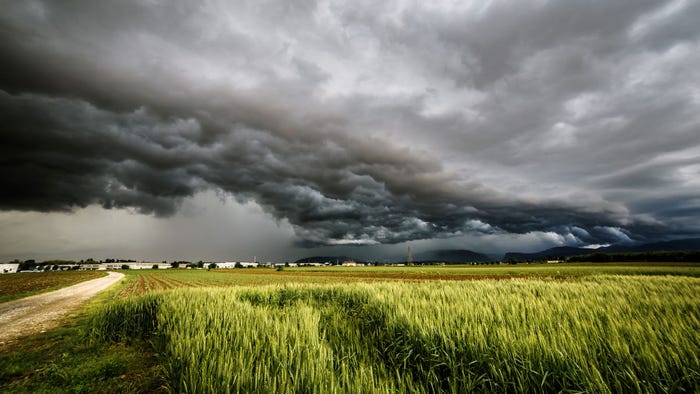
LIP also covers losses due to eligible diseases and attacks by animals reintroduced into the wild.
Cash Grain Bids for
corn
ZCK24
$4.33
corn
ZCZ24
$4.31
soybeans
ZSK24
$11.01
soybeans
ZSX24
$10.96
| Contract | Last | Change | High | Low | Open | Last Trade |
|---|---|---|---|---|---|---|
| Jul 24 Corn | 443 | +6.75 | 443.5 | 436 | 436.75 | 06:19 PM |
| Jul 24 Oats | 349 | +3 | 349.75 | 341 | 346 | 06:19 PM |
| May 24 Class III Milk | 17.82 | +0.44 | 17.88 | 17.37 | 17.38 | 06:53 PM |
| Jul 24 Soybean | 1165.75 | +16.75 | 1168 | 1145.75 | 1148.25 | 06:19 PM |
| Aug 24 Feeder Cattle | 253.5 | -0.8 | 254.95 | 252.625 | 253.65 | 06:04 PM |
| May 24 Ethanol Futures | 2.161 | unch — | 2.161 | 2.161 | 0 | 06:16 PM |

Copyright © 2019. All market data is provided by Barchart Solutions.
Futures: at least 10 minute delayed. Information is provided ‘as is’ and solely for informational purposes, not for trading purposes or advice.
To see all exchange delays and terms of use, please see disclaimer.
The November/December edition of BEEF has published and is available for your viewing.
A free online conference focused on fostering a discussion around the challenges and opportunities related to food waste for livestock.

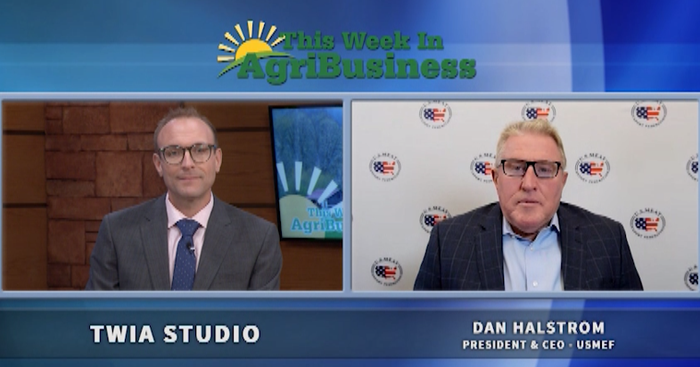
Watch This Week in Agribusiness with Max Armstrong to see what's happening in agriculture each week.
Mike Pearson gets you ready for planting season and learns about the tough year for crawfish.
EPA’s snub of renewable fuels, land values, grain bin monitoring, new John Deere equipment, commodity transportation impacts, cover crops and carbon, fuel delivery trailers and supply chains are featured this week.
Sustainability, ag education, crop protection, markets, and more featured this week.
Max Armstrong is filling in for Mike Pearson this week, taking a look at “lobbying season” for agribusiness.
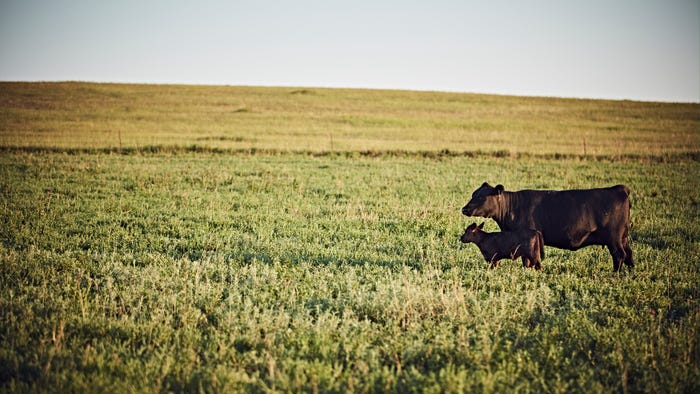
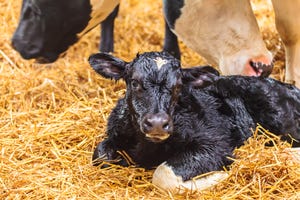
Build calf immunity against disease like bovine respiratory disease sooner by vaccinating as early as 30 days of age.
Good animal husbandry paired with vaccination and parasite management can help producers keep their animals and operations healthy.